
Do You Grind Your Teeth? Signs You May Need Bruxism Treatment
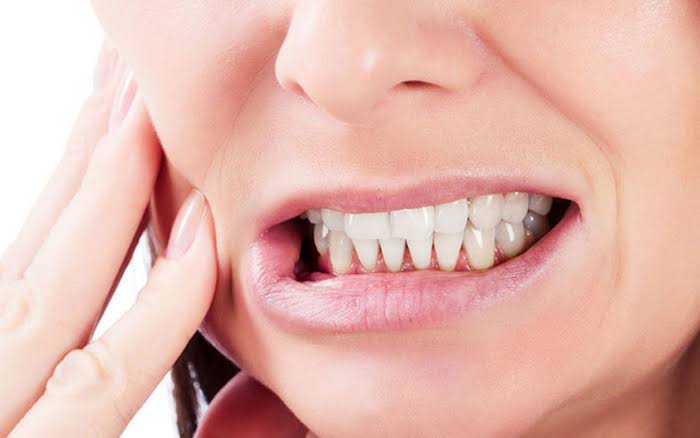
Do you wake up with jaw pain, sensitive teeth or facial tension? Has your partner told you that you make noise with your teeth while you sleep? These may be signs of bruxism, a condition characterized by involuntary clenching or grinding of the teeth.
Many people can go months or even years without knowing they have this problem, especially when it happens at night. However, when it is not properly diagnosed, it can lead to tooth wear, fractures, muscle discomfort and problems with the temporomandibular joint.
Proper bruxism treatment aims to identify what is causing or worsening the problem, protect the teeth and reduce the impact on the muscles and joints.
Today there are options such as night guards, dental adjustments and complementary treatments, which should be selected according to each patient.
What is bruxism?
Bruxism is the involuntary habit of clenching or grinding the teeth.
It can occur both while a person is awake and during sleep.
When it happens during the day, it usually shows up mainly as clenching, especially during moments of concentration, tension or stress.
Nighttime bruxism can be harder to detect because the person is not necessarily aware of what is happening while they sleep.
In both cases, excessive forces can be placed on:
- Teeth.
- Gums.
- Jaw muscles.
- Dental restorations.
- Crowns.
- Veneers.
- Implants.
- The temporomandibular joint.
For this reason, detecting the problem early can help prevent cumulative damage.
How do you know if you grind your teeth?
Bruxism doesn’t always cause obvious symptoms.
Some people discover the problem during a routine dental checkup, when the dentist notices wear patterns on their teeth.
However, there are several signs that may warrant an evaluation.
Jaw pain or fatigue when you wake up
One of the most common signs is waking up with a feeling of fatigue, stiffness or tension in the jaw.
This can happen because the muscles that close the mouth have remained active for long periods while you were sleeping.
Tooth wear
Teeth may begin to lose part of their natural shape.
The edges may look flatter, shorter or uneven due to repeated contact between tooth surfaces.
In more advanced cases, the wear can reach the inner layers of the tooth and cause sensitivity.
Fractured teeth or restorations that break
The forces generated by bruxism can affect restorations, crowns and even natural teeth.
If a person frequently breaks fillings or has small fractures with no clear cause, it is important to evaluate their bite and possible clenching habits.
Headaches when you wake up
Muscle tension built up during the night can cause head discomfort, especially around the temples.
Not all headaches are related to bruxism, but when they appear along with other dental symptoms, they may be part of the picture.
Tooth sensitivity
Progressive wear can leave areas of the tooth more exposed.
As a result, some people experience sensitivity when eating cold, hot or sweet foods.
Noises while you sleep
With grinding-type bruxism, another person may hear the teeth sliding against each other during the night.
Sometimes this is the first sign that leads the patient to discover the problem.
Bruxism and TMJ pain: are they related?
The temporomandibular joint, known as the TMJ, connects the jaw to the skull and is involved in the movements needed to speak, chew and open the mouth.
Excessive clenching can increase the load on this joint.
Some patients with bruxism may experience TMJ pain, although the two problems are not exactly the same and there are many possible causes of temporomandibular disorders.
Symptoms that may appear include:
- Pain around the ear.
- Discomfort when opening or closing the mouth.
- Jaw tension.
- Joint noises or clicking.
- Difficulty opening the mouth fully.
- A feeling of fatigue when chewing.
- Pain that spreads to the neck or face.
For this reason, TMJ pain should be evaluated individually before attributing it solely to bruxism.
What causes bruxism?
There is no single cause.
Bruxism can be related to different factors, and sometimes several occur at the same time.
These may include:
Stress and anxiety
Stress can encourage clenching habits during the day and contribute to muscle activity at night.
Many people start to notice symptoms during periods of heavy work or emotional strain.
Sleep-related disorders
Nighttime bruxism may be related to certain sleep patterns or sleep disorders.
That is why, when there are additional symptoms such as loud snoring, pauses in breathing or excessive daytime sleepiness, a complementary medical evaluation may be needed.
Medications or substances
Some medications and stimulants can influence the onset or intensity of bruxism.
The dentist should know which medications the patient takes before deciding on a treatment.
Individual factors
The intensity, frequency and consequences of bruxism vary considerably from person to person.
That is why copying someone else’s treatment or using generic devices without a professional evaluation may not solve the problem.
How is bruxism diagnosed?
Diagnosis begins with a dental evaluation.
The dentist examines the teeth, muscles, bite and joints to identify signs consistent with clenching or grinding.
During the appointment, the dentist may evaluate:
- Tooth wear pattern.
- Fractures or cracks.
- Sensitivity.
- Condition of restorations.
- Muscle pain.
- Jaw mobility.
- Joint noises.
- History of headaches.
- Daytime habits.
- Sleep quality.
The dentist may also ask whether anyone has heard the patient grinding their teeth at night.
In certain cases, additional tests may be ordered to rule out other problems.
What does bruxism treatment involve?
Bruxism treatment depends on the symptoms, the severity of the problem and the damage it has caused.
There is no single solution that works for every patient.
Goals may include protecting the teeth, reducing muscle overload, managing associated factors and treating any damage that has already occurred.
Night guards for bruxism
Night guards are one of the most widely used dental tools for patients who clench or grind their teeth while they sleep.
They are devices made to fit over the teeth of one of the dental arches.
Depending on the design, they can help distribute forces and, above all, protect tooth surfaces from direct wear.
A professional night guard should be made after evaluating the bite and taking accurate records of the mouth.
Why shouldn’t you buy just any night guard?
Today, generic mouth guards and devices are available in stores and on e-commerce platforms.
However, a bruxism night guard should not be chosen on price alone.
A poorly fitting device can be uncomfortable, interfere with your bite or fail to provide adequate protection.
That is why custom night guards should be designed and monitored by a dentist.
Do night guards cure bruxism?
Not necessarily.
A night guard can protect the teeth and change how certain forces are distributed, but it doesn’t automatically eliminate all the factors that cause bruxism.
That is why follow-up is important.
The dentist can periodically check the wear on the guard, the condition of the teeth and muscle symptoms to determine whether the treatment needs adjustments.
Bruxism and worn teeth: can they be repaired?
When bruxism has caused dental damage, it may be necessary to combine managing it with restorative treatments.
Depending on the severity, procedures such as the following may be considered:
- Composite resin buildups.
- Cosmetic restorations.
- Dental crowns.
- Treatments for sensitivity.
- Rehabilitation of severely worn teeth.
Before undertaking an extensive rehabilitation, it is important to control the forces that caused the wear.
Otherwise, the new restorations could also be subjected to excessive loads.
Can bruxism affect veneers or implants?
The forces associated with clenching can affect both natural teeth and certain dental treatments.
Patients with veneers, crowns or implants should tell their dentist if they have a history of bruxism.
In these cases, the dentist may consider additional measures to protect the restorations and control the loads.
If you are considering dental implants, a dental crown or a smile makeover, identifying bruxism beforehand can be especially important for treatment planning.
What can I do during the day to reduce clenching?
Many people keep their teeth in contact for long periods without realizing it.
At rest, the upper and lower teeth normally don’t need to stay clenched together.
Becoming aware of the habit can help reduce daytime bruxism.
Some recommendations may include:
- Identifying the moments when you clench your jaw.
- Trying to relax your facial muscles.
- Avoiding keeping your teeth clenched while you work.
- Following your dentist’s recommendations.
- Maintaining healthy sleep habits.
- Seeking help if stress is significantly affecting your well-being.
These measures are not a substitute for a clinical evaluation when there is already pain or tooth wear.
When should you see a dentist?
It is a good idea to request an evaluation if you notice:
- Recurring jaw pain.
- Visible tooth wear.
- Frequent tooth fractures.
- Increasing sensitivity.
- Headaches when you wake up.
- Difficulty opening your mouth.
- TMJ pain.
- Grinding noises during sleep.
It may also be advisable to evaluate bruxism before undergoing major cosmetic or restorative treatments.
Bruxism in patients with dental anxiety
Some people know they have bruxism, jaw pain or tooth wear but avoid going to the dentist out of fear.
Dental anxiety can lead patients to put off appointments until their symptoms become considerably more severe.
Modern dental clinics can use different strategies to make care more comfortable.
For certain patients and procedures, dental sedation may be considered, especially when there is severe anxiety or difficulty tolerating dental treatment.
However, dental sedation is not in itself a treatment for bruxism.
Its role is mainly to make certain procedures easier for patients who experience fear or anxiety.
It should only be recommended after reviewing the patient’s medical history and the characteristics of the procedure.
Bruxism treatment for international patients
People who travel to Peru for dental treatment can take advantage of their stay to have bruxism evaluated, especially when they have tooth wear or need restorative treatment.
For an international patient, the following may be possible during their stay:
- A complete dental evaluation.
- Bite and joint assessment.
- Diagnosis of tooth wear.
- Digital records.
- Fabrication of a custom night guard.
- Restoration of damaged teeth when indicated.
If you will be staying in Miraflores or San Isidro, scheduling the evaluation at the start of your trip can allow enough time for diagnosis, fabrication of certain devices and follow-up visits before you return home.
Can I get a night guard made during a trip to Lima?
Yes, depending on how long you are staying and the fabrication process the clinic uses.
At many modern clinics, digital records provide accurate information about the mouth to design a custom night guard.
However, if you are traveling specifically to receive dental treatment, it is advisable to contact the clinic before you arrive.
You can share:
- Arrival and departure dates.
- Current symptoms.
- Previous dental treatments.
- Whether you currently use a night guard.
- Any available photos or X-rays.
- Medications you take.
This makes for better planning.
Dental treatment in Lima for international patients
Peru has become an option for some international patients who want to combine travel with dental treatment.
However, cost should not be the only criterion for choosing a clinic.
If you need bruxism treatment, it is important to consider:
- The dentist’s experience.
- The quality of the diagnosis.
- Available technology.
- The material used to make the night guard.
- Follow-up care.
- The ability to stay in touch after you return home.
A properly planned treatment should take into account both current symptoms and long-term dental health.
Frequently asked questions about bruxism
How can I tell if I grind my teeth while I sleep?
You may suspect it if you wake up with jaw pain, muscle tension, tooth sensitivity or headaches. It can also be detected through tooth wear or because someone else hears the grinding. The diagnosis should be made by a professional.
What is the best treatment for bruxism?
There is no single treatment for everyone. Bruxism treatment depends on its possible causes, the intensity of the symptoms and any existing dental damage.
Do night guards eliminate bruxism?
Night guards mainly help protect the teeth and control certain loads, but they don’t necessarily eliminate the underlying cause of bruxism.
Does bruxism cause jaw pain?
It can cause muscle overload and jaw pain. It may also be associated with TMJ pain, although any persistent pain in this area requires a proper evaluation.
Can stress cause bruxism?
Stress and anxiety can contribute to teeth clenching in some people, especially during the day, although bruxism can be related to various factors.
Can bruxism wear down your teeth?
Yes. When there is repeated contact and strong force, progressive wear and even fractures can occur.
Protect your teeth before the wear gets worse
Bruxism can develop silently and go unnoticed until sensitivity, wear, fractures or jaw discomfort begin to appear.
If you often wake up with jaw tension, someone has told you that you grind your teeth or you are experiencing TMJ pain, a dental evaluation can help determine what is going on.
Proper bruxism treatment may include night guards, regular follow-up and treatment of dental damage when necessary.
If you live in Miraflores or San Isidro, or are planning a trip to Lima, you can schedule an evaluation to check your bite, assess tooth wear and determine which option is right for protecting your smile in the long term.