
Smile Design in Peru: Is It Worth It?
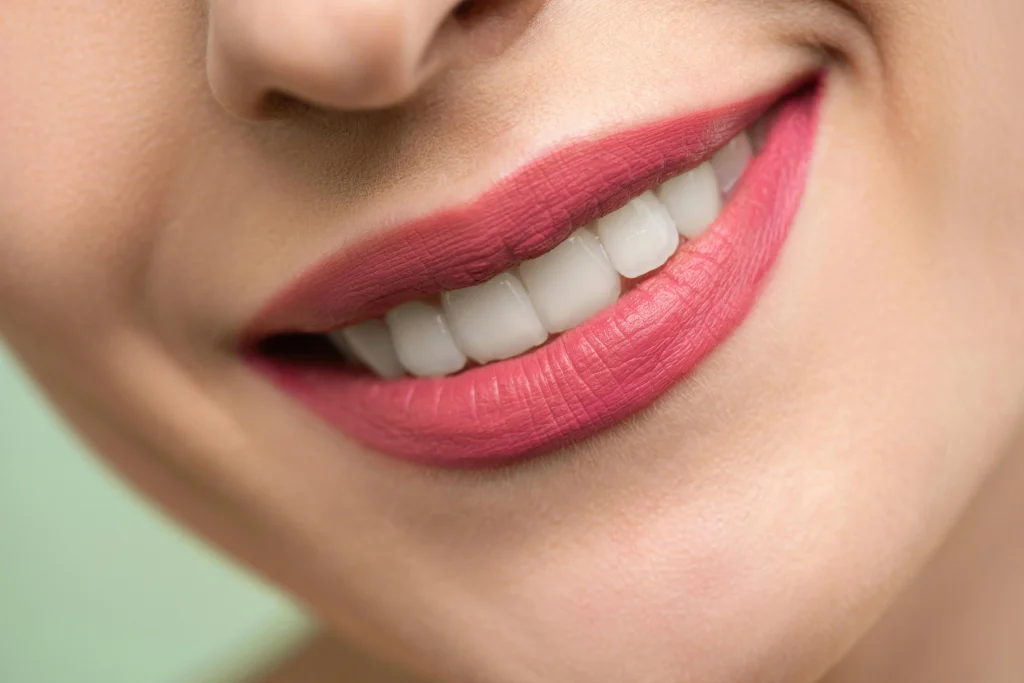
If you’re thinking about improving your smile —whether you want a complete cosmetic makeover, to correct details that bother you, or to regain confidence when you smile— you’ve probably already come across the term smile design. And it’s natural to wonder: “Is it really worth doing it in Peru?”.
The short answer: for many people, yes. Peru (and Lima in particular) has become a very attractive destination for cosmetic dental procedures thanks to its combination of specialized dentists, modern technology, short wait times, and the possibility of combining treatment with a trip (what many search for as dental tourism or dental tourism peru). In this article, I explain what smile design is, how it works step by step, and why getting it done in Peru can be an excellent decision, whether you’re coming from abroad or live near Miraflores or San Isidro.
What is smile design?
Smile design is not a “single procedure,” but a personalized plan that combines aesthetics and dental health to create a smile that harmonizes with your face. It is designed based on:
- Tooth shape and proportion (width, length, symmetry)
- Tooth color and brightness
- Gum line (gingival harmony)
- Bite and function (how your teeth come together)
- Facial features and smile type
- Habits and wear (for example, bruxism)
At an aesthetics-focused dental clinic in Lima, the goal isn’t to “put in white teeth,” but to improve your smile while respecting your biology, your bite, and your facial style. That’s why good smile design always starts with diagnosis and planning.
How does it work? Step by step (what you should expect at a good clinic)
1) Clinical evaluation + diagnosis
The starting point usually includes:
- A complete dental exam
- Clinical and facial photographs
- Intraoral scan or impressions
- X-rays (and in some cases a CT scan)
- Gum evaluation (in case you need a periodontist in Lima)
- Bite and jaw joint assessment (key if there’s bruxism)
This makes it possible to detect whether your case first requires treating cavities, inflammation, gums, wear, or functional problems before the cosmetic phase.
2) Digital design (DSD) and planning
Many clinics work with “Digital Smile Design,” which projects your new smile onto photos and facial measurements. This is where the following are decided:
- The ideal tooth shape for you
- How much of your teeth show when you smile
- Gum changes (if applicable)
- The most suitable (and most conservative) type of treatment
3) Mock-up or smile trial (whenever possible)
One of the most important factors in making it “worth it” is testing the design before making it permanent. With a mock-up (a cosmetic trial), you can see how you’d feel with the new shape and proportions. This reduces surprises and improves final satisfaction.
4) Carrying out the plan (depending on your case)
This is the “visible” part of the treatment, which may include one or more techniques:
- Teeth whitening (for example, “teeth whitening in lima” / “teeth whitening near me” if you’re visiting and want something quick)
- Cosmetic orthodontics or invisible orthodontics (clear aligners, transparent orthodontics)
- Restorations and dental fillings (if there are cavities or leaks)
- Cosmetic contouring / conservative tooth reshaping
- Periodontal treatment if there are inflamed gums or pockets (scaling and root planing)
And, when appropriate, the signature smile design procedures such as dental veneers, cosmetic bonding, and dental crowns.

5) Follow-ups, maintenance, and protection
A “well-done” smile design includes:
- Polishing and adjustments
- Hygiene instructions
- Scheduled follow-up visits
- In some cases, a night guard if there’s bruxism (this is key to protecting the work)
Which procedures are most commonly used in smile design?
Not everyone needs the same thing. A responsible plan looks for the most conservative option that achieves the desired result.
Cosmetic bonding (aesthetic resin)
Cosmetic bonding is used to improve shape, close small gaps, repair worn edges, or cosmetically “lift” certain teeth without aggressive reduction. It’s often a more conservative alternative in certain cases, especially when the goal is to create harmony without extreme changes.
Dental veneers (porcelain or resin)
Dental veneers are thin shells bonded to the front surface of the tooth to improve color, shape, and proportions. They are indicated when:
- There are deep stains that are hard to whiten
- A more noticeable and stable change is desired
- There is wear, fractures, or asymmetry
- A highly aesthetic and natural result is desired
The key is an accurate diagnosis and a design that respects your bite (especially if you clench or grind).
Dental crowns
Dental crowns are recommended when a tooth is severely damaged, has had a previous root canal, has significant fractures, or needs full coverage to regain strength and aesthetics. They aren’t always used in smile design, but in certain cases they are necessary to ensure durability.
Common complementary treatments
- Teeth whitening (before veneers or resin to calibrate the shade)
- Cosmetic periodontics (gum contouring, when necessary)
- Implants (if teeth are missing; for example, “dental implants lima” / “dental implant peru”)
- Invisible orthodontics (clear aligners peru) if there’s crowding or a misaligned bite
Why is Peru an excellent place to get smile design?
1) Specialists and modern clinics (especially in Lima)
Lima is home to many clinics with:
- Advanced cosmetic dentistry
- Specialists by area (periodontics, prosthodontics, orthodontics, implantology)
- Technology such as intraoral scanners, digital design, and partner laboratories
For an international patient, this matters because smile design isn’t just “aesthetics”: it’s precise, multidisciplinary work.
2) A very attractive option for dental tourism / dental travel
Peru is a major tourist destination, and for many people it makes sense to combine a vacation with treatment. In Lima (Miraflores and San Isidro in particular) you’ll find:
- Safe, central neighborhoods with plenty of hotel options
- Restaurants, transportation, and services
- Quick access to dental clinics, laboratories, and follow-up visits
That’s why searches like dental tourism, dental tourism peru, or even “dental clinic peru” have grown: people want to take care of health + aesthetics without hassle.
3) Fast scheduling and planning for travelers
If you’re coming from abroad, time is a key factor. A good team can organize:
- First appointment + scan + digital design in a short time
- A clear day-by-day sequence (ideal if you’re staying 7–14 days, depending on the plan)
- Strategic follow-ups before your flight
Keep in mind: not every case can be completed quickly. If you need orthodontics, advanced periodontics, or complex rehabilitation, the timeline changes. But planning is usually efficient.
4) Excellent value for results (without exaggerated promises)
Without getting into “prices,” many patients compare the overall cost (procedure + travel) versus getting it done in their home country. What matters is choosing a clinic that prioritizes diagnosis and materials, not just “smiles in 48 hours.”
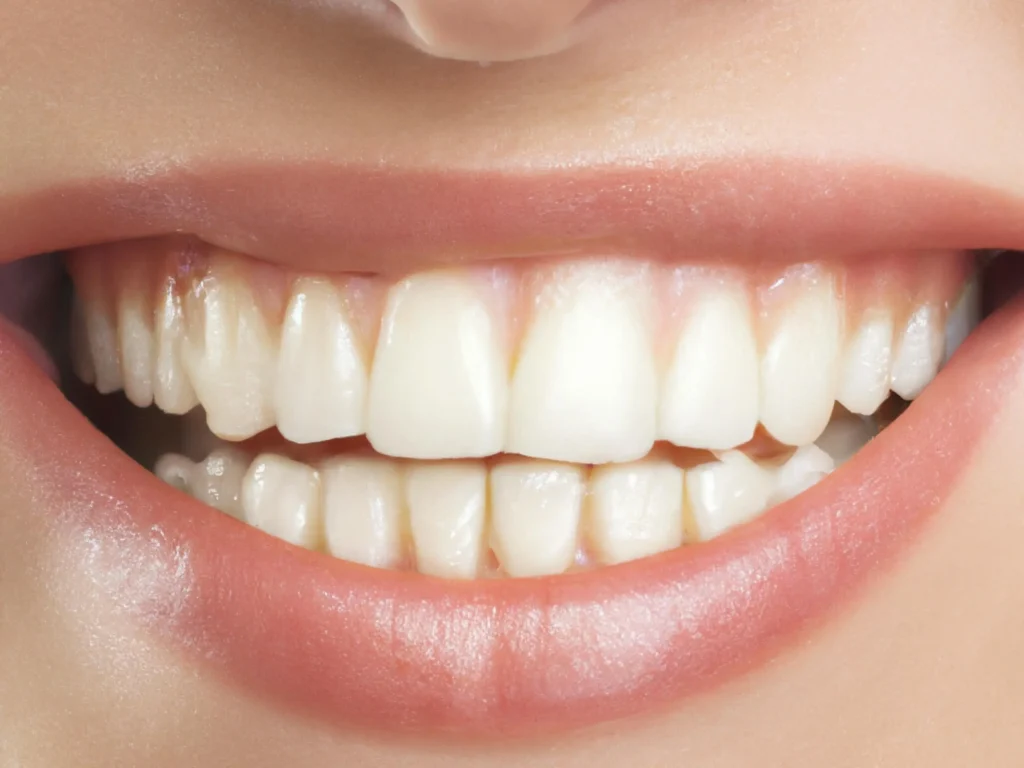
Who is it worth it for… and who should think twice?
It’s usually well worth it if:
- You have tooth wear (sometimes due to bruxism)
- Your teeth look short, uneven, or have chipped edges
- You have stains, uneven color, or old restorations
- You want to improve symmetry, proportion, and shape
- You’re looking for a “natural” change (not necessarily ultra-white)
- You’re exploring cosmetic dentistry options in Lima (Miraflores/San Isidro)
You need to be more careful if:
- You have severe, uncontrolled bruxism (it can fracture veneers/resin if not protected)
- Your gums are inflamed or bleed (periodontal health must be treated first)
- You have active cavities or pending dental fillings
- You have unrealistic expectations (a beautiful smile should look natural and function well)
Quick checklist: how to choose a clinic (and avoid bad experiences)
If you’re searching for “dental clinic Lima” or “dentist Miraflores / dentist San Isidro,” use this checklist:
- They perform a complete diagnosis (not just “quote you for veneers”).
- They show you real cases (before/after) and explain the limitations.
- They offer a mock-up or at least a simulation of the design.
- They talk about your bite, bruxism, and protection (night guard if applicable).
- They use quality materials and explain your options (dental veneers, cosmetic bonding, dental crowns).
- They give you a phased plan with realistic timelines (key for international patients).
- They have a good location and logistics (for example, locations in Miraflores and San Isidro make transportation and follow-ups much easier).
Frequently asked questions
Does smile design hurt?
It depends on the plan. Whitening or cosmetic bonding is usually minimally invasive. Dental veneers or dental crowns may require tooth preparation and local anesthesia, but it’s generally tolerable and manageable.
How long does it last?
It varies depending on the material, bite, habits, and hygiene. The most decisive factors are usually: accurate diagnosis + good technique + maintenance + bruxism control.
Can it be done if I have bruxism?
Yes, but with a strategy: assessing wear, adjusting the bite if needed, and using a protective night guard. A serious plan doesn’t ignore this, because bruxism is one of the main causes of fractures and cosmetic failures.
So… is it worth doing in Peru?
For many patients, yes: smile design in Peru can be a smart decision if you choose a clinic with a comprehensive approach (health + aesthetics + function), specialists, and clear planning (especially if you’re coming for dental tourism).
Whether you’re in Lima or coming from abroad, The Dental Clinic & GT concept Asociados is a clinic with two locations (Miraflores and San Isidro), which makes the logistics of evaluation, follow-ups, and aftercare much easier. And if your goal is a harmonious, natural, and long-lasting smile, always prioritize diagnosis and personalization over “quick fixes.”