
Traveling with Kids? When to See a Pediatric Dentist During Your Stay in Lima
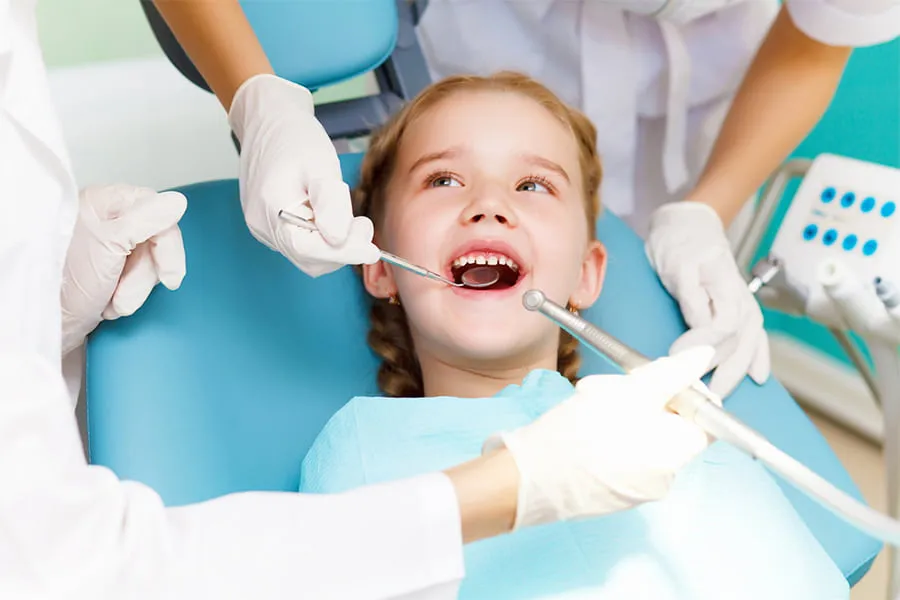
Traveling as a family means planning flights, accommodation, activities and, often, what to do if a health problem comes up during your stay. Your children’s oral health shouldn’t be left out of that plan.
Unexpected tooth pain, a cavity that starts to cause discomfort or a fall during vacation can make it necessary to see a pediatric dentist, even when the trip lasts only a few days.
Some families also take advantage of a longer stay in Peru to schedule preventive checkups, complete pending treatments or address dental problems before returning home.
A children’s dentist is trained to meet the specific needs of babies, children and teens, taking into account not only the condition of their teeth but also their age, development, behavior and previous experiences at the dental office.
If you are traveling to Lima with children, knowing what services pediatric dentistry can offer can help you decide when a visit is advisable and when you need to seek care more urgently.
What is a pediatric dentist?
A pediatric dentist is a dentist dedicated to caring for babies, children and teens.
Pediatric dentistry covers much more than treating cavities. It includes prevention, diagnosis, oral hygiene education, monitoring of tooth development, care for dental injuries and restorative treatments adapted to each stage of growth.
The American Academy of Pediatric Dentistry emphasizes that children’s dental care should include periodic exams, individualized prevention, cavity diagnosis, guidance for parents and treatment of dental disease when needed.
One of the things that sets pediatric dentistry apart is the way the patient is approached.
A young child may have trouble explaining exactly where it hurts or may feel intimidated by an unfamiliar environment. That is why the dentist must adapt both communication and treatment to the child’s age and behavior.
Why see a children’s dentist instead of waiting until you get home?
Not every dental problem requires immediate treatment during a trip.
However, there are situations in which waiting several weeks may not be the best option.
It may be a good idea to request an evaluation if your child has:
- Recurring tooth pain.
- Significant sensitivity to cold or when eating.
- Swelling around a tooth.
- Swollen gums.
- A visible cavity.
- A broken tooth.
- Bleeding after a blow to the mouth.
- Accidental loss of a tooth.
- Difficulty eating because of pain.
- A previous treatment that has come loose or fractured.
A pediatric dentist can determine whether the problem needs immediate attention or whether temporary measures are enough until the child returns to their regular dentist.
This distinction is especially useful for international families who don’t know how much treatment they need to complete during their stay.
What services can a pediatric dentist provide?
Pediatric care can generally be divided into preventive, diagnostic and restorative procedures.
The right treatment depends on the child’s age, their risk of developing cavities and the current condition of their mouth.
Children’s dental exam
A checkup makes it possible to assess the condition of the teeth, gums, bite and the development of the dentition.
In young children, it can also help identify habits that could affect oral health, such as certain feeding or hygiene practices.
Not all children have the same cavity risk. That is why the AAPD recommends tailoring prevention and the frequency of checkups to each patient’s individual risk.
Teeth cleaning for children
Professional cleaning can be part of children’s dental care when indicated.
During the visit, deposits built up on the teeth can be removed and the areas the child finds hard to clean properly can be checked.
The appointment is also a good opportunity to teach age-appropriate brushing techniques.
With young children, parents still play a key role in brushing and supervising oral hygiene.
Fluoride application
Fluoride is used as part of various cavity prevention strategies.
Depending on age and individual risk, the dentist may consider professional fluoride applications and offer specific recommendations for home care.
The AAPD recognizes fluoride as an effective intervention for preventing and controlling cavities in children and teens, but its use should be tailored to each patient’s needs.
For this reason, it is not advisable to assume that all children need exactly the same protocol.
Dental sealants
Molars have small grooves and fissures where food debris and bacterial plaque can get trapped.
Sealants create a barrier over certain tooth surfaces to reduce the risk of cavities forming or progressing.
The American Dental Association and the AAPD support the use of sealants on the primary or permanent molars of children and teens when clinically indicated.
This procedure can be part of a preventive children’s dental care program.
Treating cavities in children
Cavities in baby teeth also need to be evaluated.
There is a common misconception that a baby tooth doesn’t need treatment because it will eventually be replaced. However, depending on the child’s age and the tooth affected, a cavity can cause pain, infection or difficulty eating.
When there is a lesion that needs to be restored, the children’s dentist determines which procedure is appropriate based on the extent of the cavity and approximately how long that tooth should remain in the mouth.
Options may include preventive treatments, restorations or other procedures, depending on the diagnosis.
Childhood cavities require intervention and follow-up because children who have already developed lesions are at higher risk of getting new cavities.
What if my child gets a cavity during vacation?
The first step is to determine how serious it is.
A small lesion that causes no symptoms doesn’t necessarily require the same management as a tooth with severe pain, swelling or infection.
During a stay in Lima, a pediatric dentist can perform an evaluation and explain to parents whether it is best to:
- Treat the tooth during the trip.
- Perform a temporary intervention.
- Manage the symptoms.
- Wait until returning to the home country.
- Coordinate follow-up with the child’s regular dentist.
For international patients, this planning is particularly important.
The goal should not be to perform unnecessary procedures just because time is short, but to address what is clinically needed and set a clear plan for continuing care.
What should you do if a child hits a tooth during the trip?
Dental injuries are relatively common in childhood.
A fall at the pool, an accident while playing or a blow during a sports activity can affect both baby teeth and permanent teeth.
After an injury, it is a good idea to check for:
- Bleeding.
- A visible fracture.
- A loose tooth.
- A change in the tooth’s position.
- Severe pain.
- Swelling.
- A tooth that has been knocked out completely.
In these situations, it is best to seek a dental evaluation as soon as possible, especially when a permanent tooth is involved.
Not all dental injuries need the same treatment. The approach depends on the type of tooth, the injury and the patient’s age.
Can a child receive dental treatment while on vacation?
Yes.
Traveling doesn’t prevent dental treatment, but it is important for the dentist to know how long the family will be staying in Lima.
This makes it possible to decide which procedures can be completed during the stay and which will need follow-up later.
For example, a family staying in Peru for three weeks may have more room to complete an evaluation, treat a cavity and schedule a follow-up visit than a family leaving the country the next day.
That is why, if dental treatment is part of your travel plans, it is best to book the appointment at the beginning of your stay rather than in the last few hours before your flight.
What information should you bring to the appointment?
If your child already receives dental care in another country, having prior information on hand can make the evaluation easier.
When available, it is a good idea to bring:
- A history of recent treatments.
- Previous X-rays.
- A list of current medications.
- Known allergies.
- Information about medical conditions.
- Details about previous dental experiences.
- History of dental injuries.
- Information about orthodontics or any appliances the child uses.
It is also helpful to tell the pediatric dentist when the family will be returning home.
This helps design a treatment plan that fits the time available.
When should a child first visit the dentist?
Dental care should begin before a problem appears.
The AAPD recommends establishing a “dental home,” or ongoing dental care, within the first year of life. This model aims to give the child access to prevention, guidance and comprehensive care from an early age.
Waiting until there is pain can mean that the child’s first dental experience happens precisely during an uncomfortable situation.
Preventive visits help children gradually become familiar with the dental environment.
How often should a child see the dentist?
There is no one-size-fits-all schedule.
The interval between checkups can vary depending on:
- Age.
- Cavity risk.
- Oral hygiene.
- Diet.
- Previous treatments.
- Dental development.
- Medical history.
The frequency should be individualized after evaluating the patient.
A child at high risk of cavities may need different follow-up than one who has good oral health and a low risk.
How can you prepare a child to see the dentist while traveling?
Visiting an unfamiliar clinic in another city can make a child nervous, especially if they are already afraid of the dentist.
Parents can help by not presenting the visit as a punishment and by avoiding expressions that increase worry.
It helps to explain in simple terms that the dentist will check their teeth to keep them healthy.
It is also useful to let the clinic know in advance if the child:
- Has had negative experiences.
- Is very fearful.
- Has special needs.
- Is very sensitive to certain stimuli.
- Has difficulty communicating.
- Has never been to a dentist.
A children’s dentist can adapt their approach to these circumstances.
What if my child wears braces or another dental appliance?
Children and teens who wear braces, expanders, retainers or other appliances may need care during a trip if a problem arises.
Some of the most common problems include:
- A loose bracket.
- A wire that causes discomfort.
- A broken or lost retainer.
- A damaged removable appliance.
- Irritation of the lips or cheeks.
Not all of these problems require changes to the orthodontic treatment.
A dentist can assess the situation and determine whether it needs immediate attention or can wait until the next appointment with the child’s regular orthodontist.
If a procedure is performed, it is a good idea to keep the information to share later with the orthodontist overseeing the treatment.
Preventive care for children staying several months in Lima
Some international families don’t come just for vacation.
They may stay in Peru for work, school, family visits or extended travel.
When the stay lasts several months, it may be wise to keep up with regular checkups rather than postponing them until you return home.
An evaluation with a pediatric dentist makes it possible to continue with:
- Regular checkups.
- Cavity prevention.
- Fluoride applications when indicated.
- Sealants.
- Cleanings.
- Cavity treatment.
- Monitoring of tooth eruption.
- Bite evaluation.
Children’s dental care works best when there is continuity, especially for children at higher risk of developing cavities.
Can I use the trip to have my children’s dental treatments done in Peru?
Yes, as long as the decision is based on the child’s dental needs.
Some international families may consider having checkups or treatments done in Lima while the parents also receive dental care.
Before scheduling several procedures, it is best to have an evaluation.
The fact that a treatment may cost less than in your home country doesn’t mean all procedures should be packed into just a few days.
With children, priority should go to treatment that suits their age, oral health and ability to adapt to dental visits.
There should also be a clear plan for any follow-up needed after returning home.
What should you look for when choosing a pediatric dentist while traveling?
If you need pediatric dental care in a city you don’t know, you shouldn’t choose based on price alone.
It is worth considering factors such as:
- Experience treating children.
- A prior evaluation before any treatment is proposed.
- Clear explanations for parents and children.
- Appropriate facilities and protocols.
- The ability to provide both preventive and restorative care.
- Willingness to provide clinical information afterward.
- A follow-up plan for patients returning abroad.
A pediatric dental visit should ensure that both the child and the parents understand what the problem is, what needs treatment and what to expect.
Frequently asked questions about pediatric dentistry while traveling
What is the difference between a pediatric dentist and a general dentist?
A pediatric dentist focuses specifically on the dental care of children and teens and adapts diagnosis, communication and clinical management to the different stages of development.
Should I take my child to the dentist if their gums bleed?
If the bleeding happens frequently, it is a good idea to request an evaluation. The dentist can check hygiene, the gums and other possible factors.
Do baby teeth need fillings?
They may. A cavity in a baby tooth can progress and cause pain or infection before the tooth falls out naturally.
Can a child have a professional teeth cleaning?
Yes, when indicated. The need for the procedure and how it is done depend on the child’s age, hygiene and oral health.
Can children get sealants?
Yes. Sealants can be applied to certain molars to help prevent or control cavities when indicated.
What should I do if my child has a toothache during our vacation?
It is best to request an evaluation with a children’s dentist, especially if the pain is persistent, interferes with eating or comes with swelling.
Can we book an appointment if we’ll only be in Lima for a few days?
Yes. Even when it isn’t possible to complete the entire treatment, an evaluation makes it possible to identify the problem and determine what should be addressed during the trip and what can be continued later.
Take care of your children’s smiles while traveling, too
A family trip doesn’t have to put children’s dental care on hold.
Whether your child needs a preventive checkup, has a cavity, has suffered a dental injury or you simply need to know whether a problem can wait until you get home, an evaluation by a pediatric dentist helps you make better-informed decisions.
For international families, it is especially helpful to explain at the first appointment how long they will be staying in Lima and when they will return home.
If you are traveling with children and staying in Miraflores, San Isidro or another area of Lima, you can schedule an evaluation with a pediatric dentist in Lima to check their oral health, address existing problems and determine which treatments need attention during your stay and which can be continued later with their regular dentist.